For brand owners and corporate buyers, choosing the right custom power bank manufacturer is often more important than choosing the product itself.
Differences in battery quality, certification compliance, and delivery capability among power bank suppliers can directly affect whether your project runs smoothly.
In many cases, issues that are not clarified early on can lead to higher costs and delays later. The 10 questions below can help you quickly evaluate whether a power bank supplier is worth working with.
1 10 Key Questions to Ask Before Customizing a Power Bank
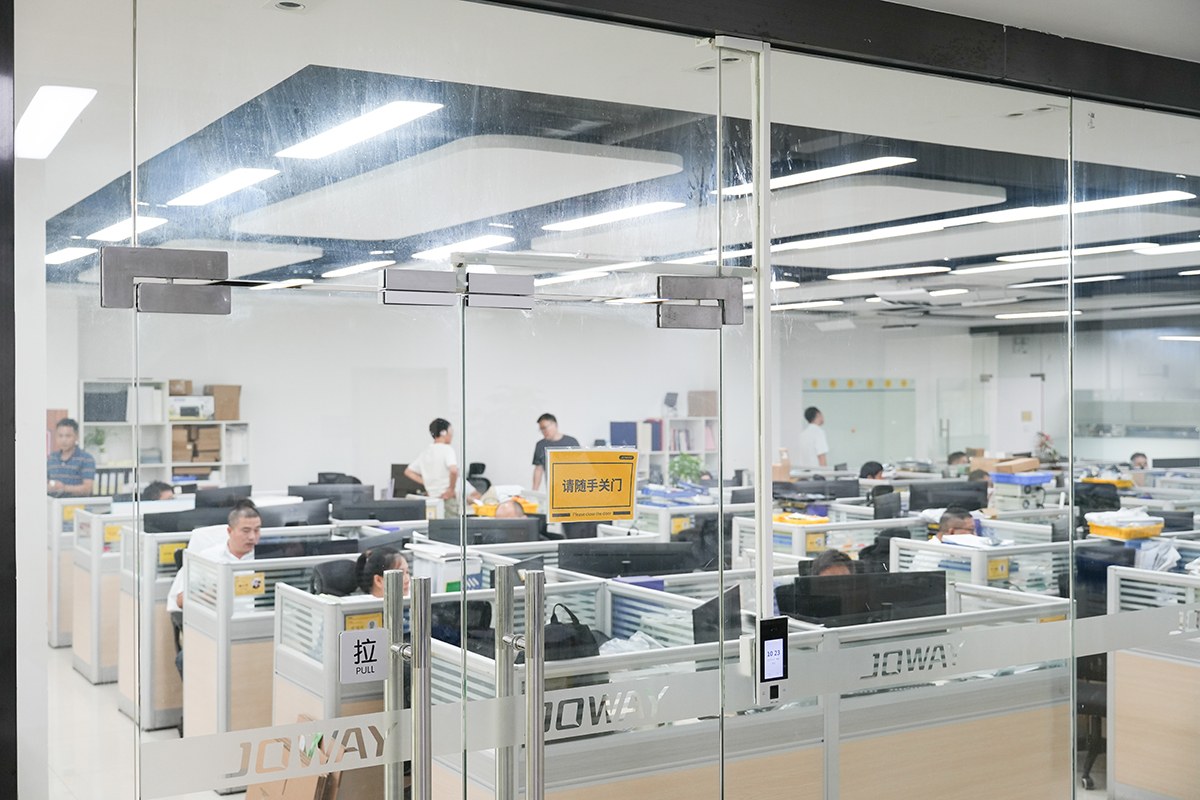
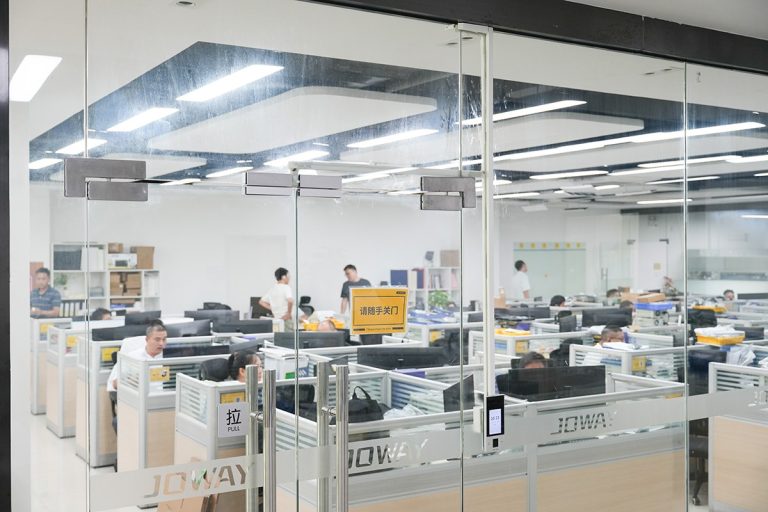
1.1 Are you a direct power bank manufacturer or a trading company? How can I tell?
This is one of the most basic, yet most overlooked questions.
If the supplier is a trading company, orders are usually passed to a factory for production. This extra layer can affect pricing, lead time, and communication efficiency.
Ways to verify include:
- Whether they can provide factory certifications (such as BSCI), factory videos, or on-site audits
- Whether you can communicate directly with engineers or technical staff
- Whether they have a clear production and quality control process
If the supplier cannot provide clear factory-related information, or all communication goes through sales without access to technical or production teams, it’s worth taking a closer look at their actual capabilities.
1.2 Do you have certifications such as CE, FCC, RoHS, and UN38.3? Do you support certification services?
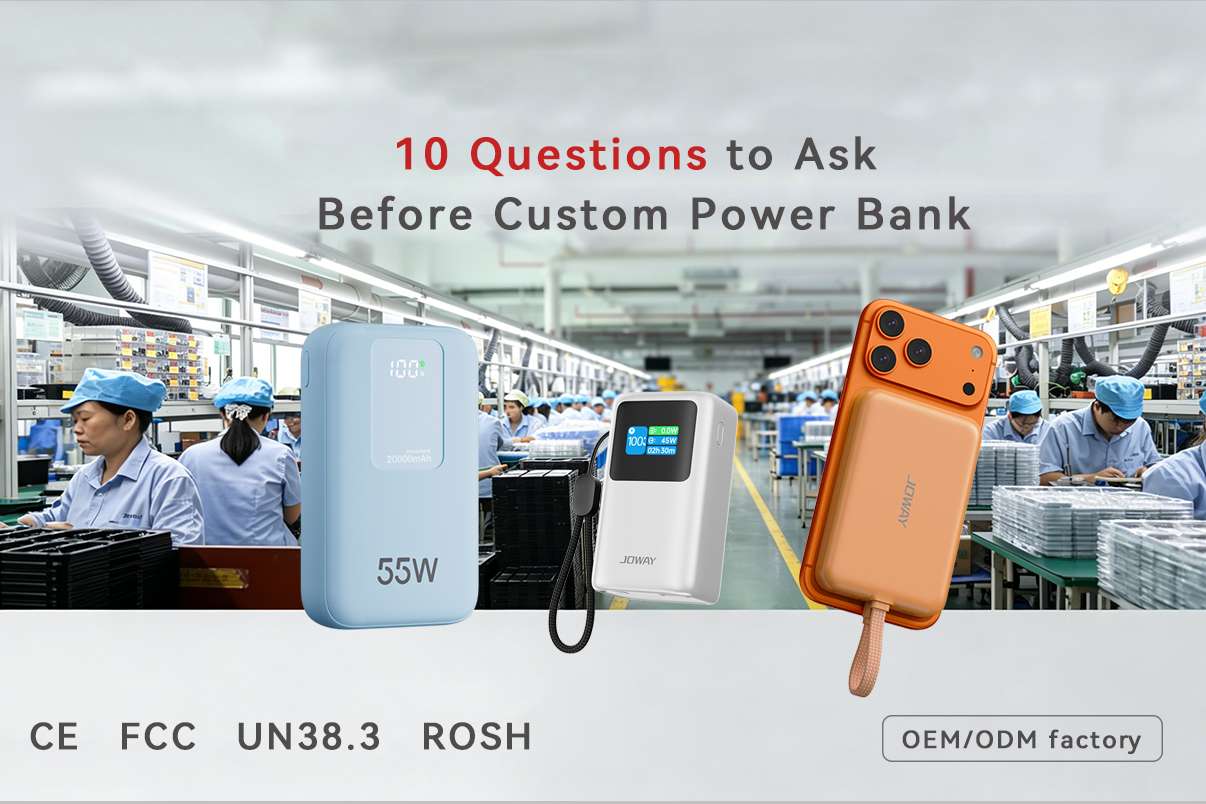
Certification requirements vary by market. For example:
- Europe: CE, RoHS
- United States: FCC
- Air shipment: UN38.3, MSDS
If the supplier already has the required certifications, it can save time and cost. If not, it’s better to clarify upfront:
- Whether they can assist with certification
- Certification cost and timeline
- Experience with similar projects
1.3 What battery cells do you use? Can they be customized?
Battery cells are the core component of a power bank and directly impact safety and lifespan.
Key points to confirm:
- Cell type (such as 18650, 21700, Li-polymer, semi-solid)
- Whether they use Tier 1 brands (such as ATL, EVE, Lishen, etc.)
- Whether specific battery brands or alternatives can be selected
If the supplier cannot clearly explain the battery source, it’s a potential red flag.
1.4 Do you support OEM/ODM? What customization options are available?
Different manufacturers define “customization” differently, so it’s important to clarify in advance.
Common customization options include:
- Housing color, material, and surface finish
- Logo and graphic printing
- Packaging design
If structural changes are involved, you should also confirm:
- Tooling (mold) costs and whether they can be amortized
- Estimated R&D costs
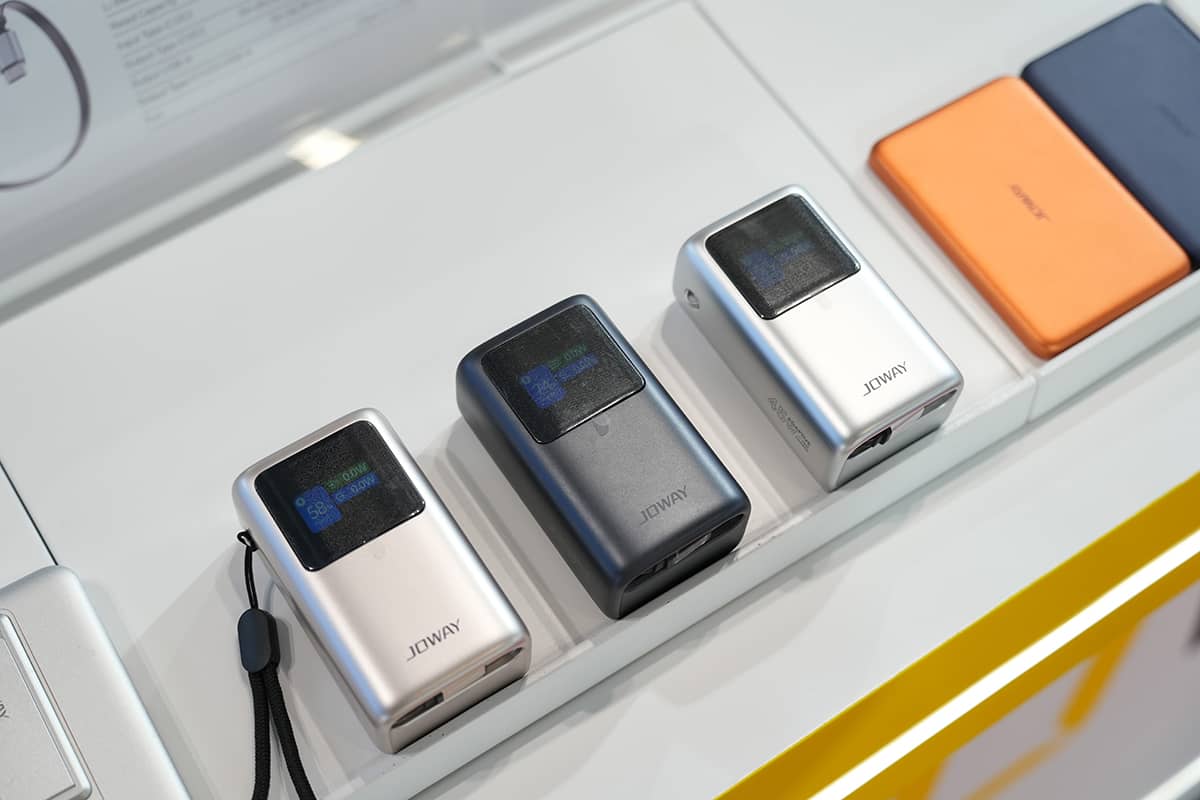
1.5 What is your MOQ (Minimum Order Quantity)? Is there flexibility?
MOQ has a direct impact on your cost and inventory risk.
In most cases:
- Appearance customization: around 3,000 units is common
- Structural customization or new tooling: higher MOQ
Also confirm:
- Pricing at different quantity levels
- Whether small trial orders are possible
1.6 What is the sampling lead time? Is there a sampling fee?
Sampling is a key step in the process.
You should clarify:
- Sample lead time (usually around 7–10 days)
- Whether a sample fee is required
- Whether the sample can be used as a reference for mass production
1.7 What is the production lead time?How do you ensure delivery?
Lead time directly affects your sales schedule.
Key points to confirm:
- Typical production lead time (around 35-45days; may be longer if materials are tight)
- Whether there is a clear production scheduling process
- Whether a confirmed delivery timeline can be provided after scheduling
- How delays are handled
1.8 Do you have a complete quality control system?
A reliable power bank manufacturer should have a well-defined quality control process.
You can check:
- IQC (Incoming Quality Control)
- In-process inspections
- Final inspection (full inspection or sampling rate)
- Whether 100% aging tests are conducted
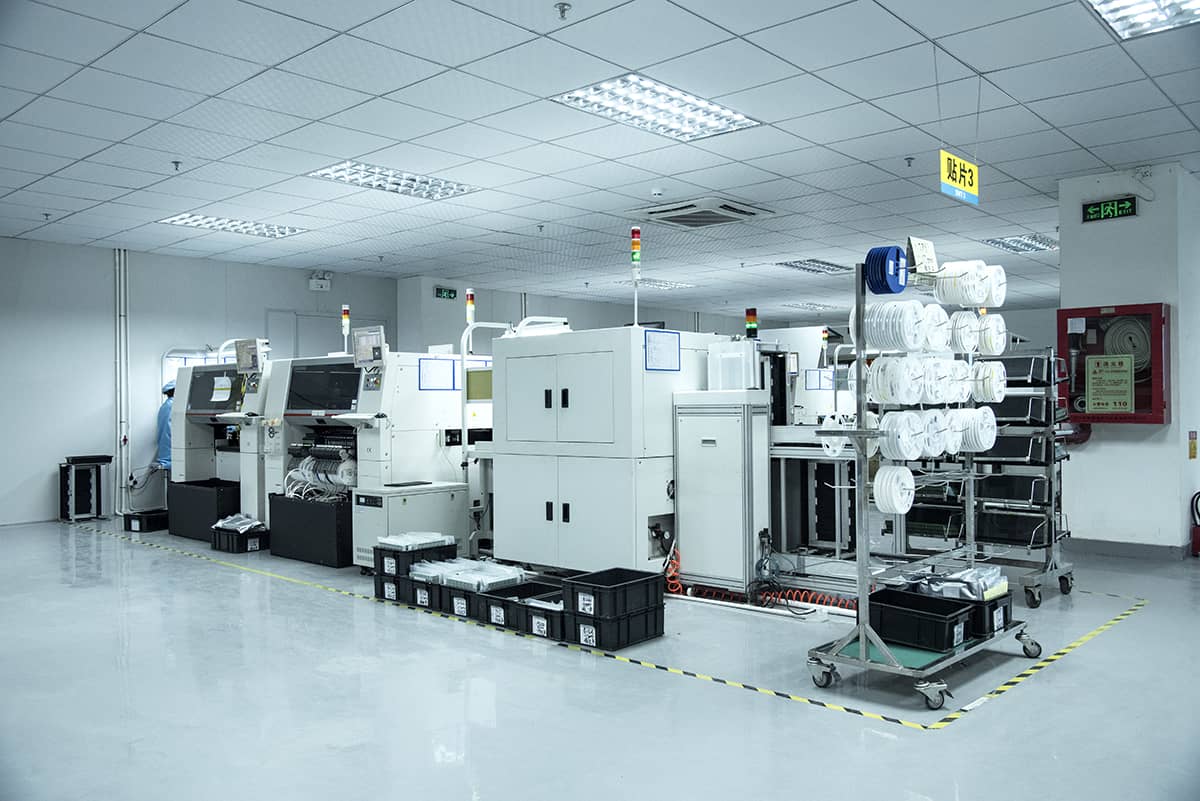
- Whether SMT is done in-house and followed by full inspection

1.9 What is your warranty policy and after-sales support?
After-sales capability is important for long-term cooperation.
Clarify upfront:
- Warranty period
- Handling of defective units
- Whether batch traceability is supported
1.10 Do you have similar project experience or well-known clients?
Past experience is a useful indicator of a supplier’s capability.
You can look at:
- Long-term clients
- Experience with well-known brands
- Similar project cases
2 Key Points Many Buyers Overlook
In addition to the questions above, there are a few commonly overlooked issues that can carry significant risk:
2.1 Inconsistent or overstated battery capacity
This can directly affect product performance and user experience.
2.2 Certifications not matching the target market
Some products may have certifications, but not for your specific market, which may require additional testing and cost.
2.3 Hidden costs
Such as extra testing fees, packaging changes, or certification updates.
3 How to Tell if a Power Bank Supplier Is Reliable
In general, a reliable supplier will:
- Provide clear and direct answers to the questions above
- Offer transparent documentation (certifications, test reports, factory information)
- Respond quickly and communicate efficiently
- Explain product details professionally, not just quote prices
If key questions are answered vaguely or avoided, it’s best to evaluate carefully.
4 What a Professional OEM Power Bank Manufacturer Can Offer
A mature OEM/ODM manufacturer typically provides more than just production:
- Product recommendations (capacity, structure, features)
- Design support for appearance and packaging
- Certification and compliance guidance
- Full-process production and quality management
This type of support helps reduce communication costs and is more suitable for long-term cooperation.
5 FAQ
Q1: How can I find a reliable power bank supplier?
Evaluate based on factory scale, certifications, past clients, and R&D capability.
Q2: What is the typical MOQ for custom power banks?
Usually around 3000 units, depending on customization requirements and product type.
Q3: How long does sampling take?
Typically 7–10 days, depending on material availability.
Final Thoughts
For custom power bank projects, asking the right questions early can help avoid many potential issues later.
If you’re evaluating suppliers, these 10 questions can serve as a practical checklist.
If you’re unsure about different options, it’s always worth comparing multiple suppliers before making a decision, so that every key detail is clear before moving forward.